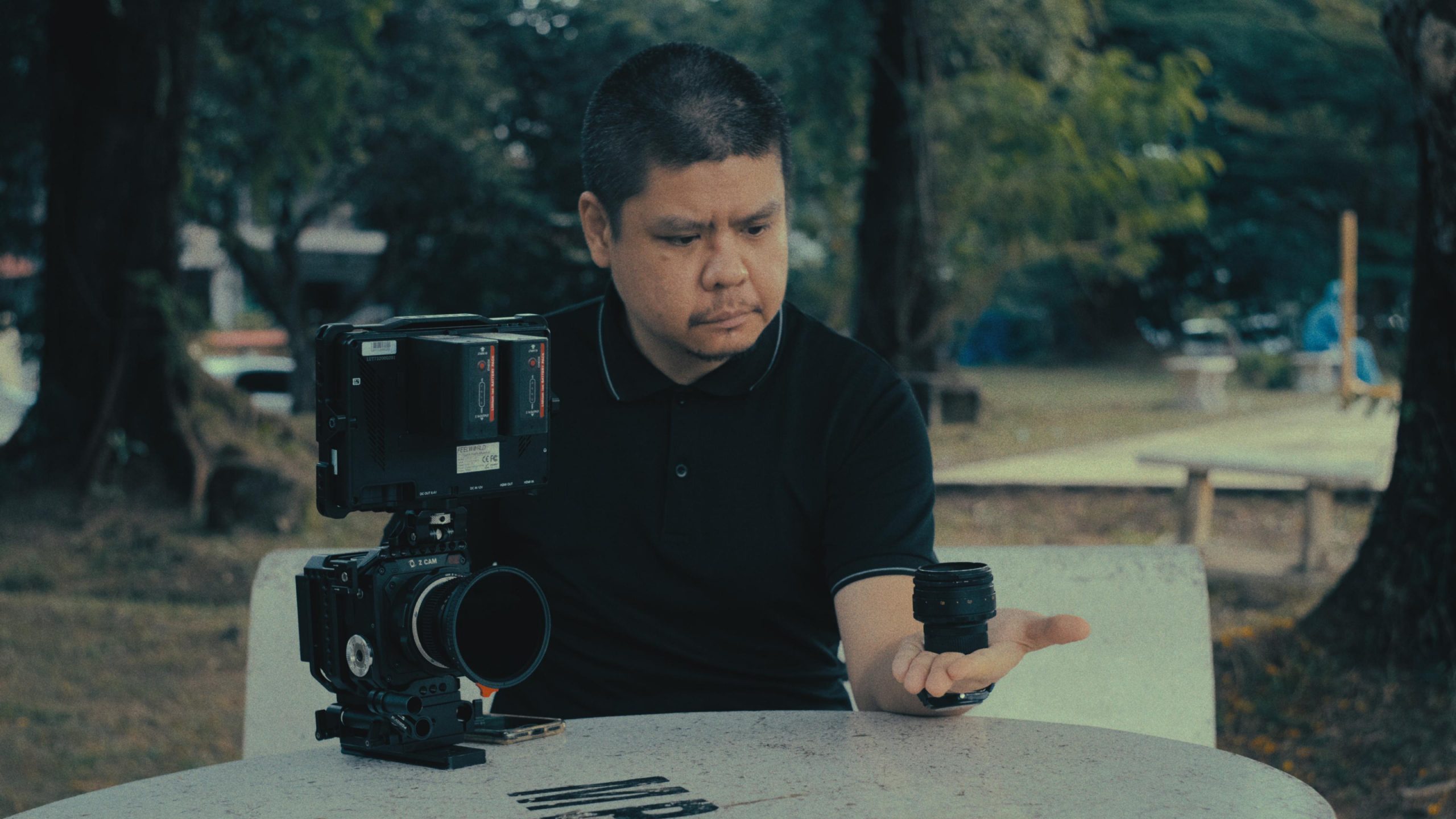
I used to think newer, more advanced lenses meant better work.
More lens elements, 100 layers of multcoating equals to better image quality.
Simple, right?
But the lens I reach for the most now?
It came out decades before digital sensors were even a thing.
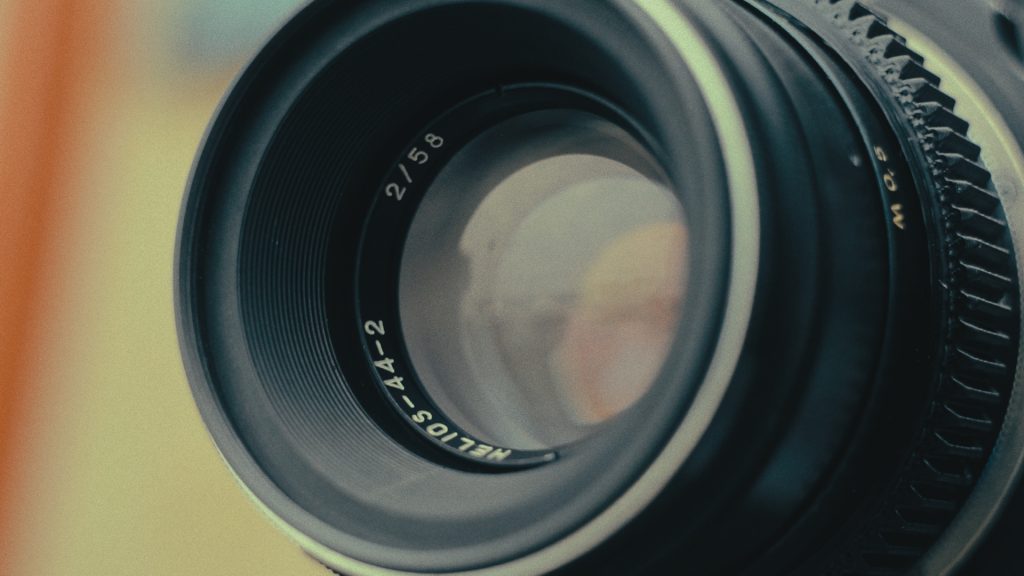
If you’ve ever looked into vintage lenses, you’ve probably come across it.
And if you haven’t—yeah, you’re missing something.
I used to shoot everything on modern glass. Clean, sharp images.
But after a while, it all started to feel… too perfect, too safe.
Technically great, but kind of boring.
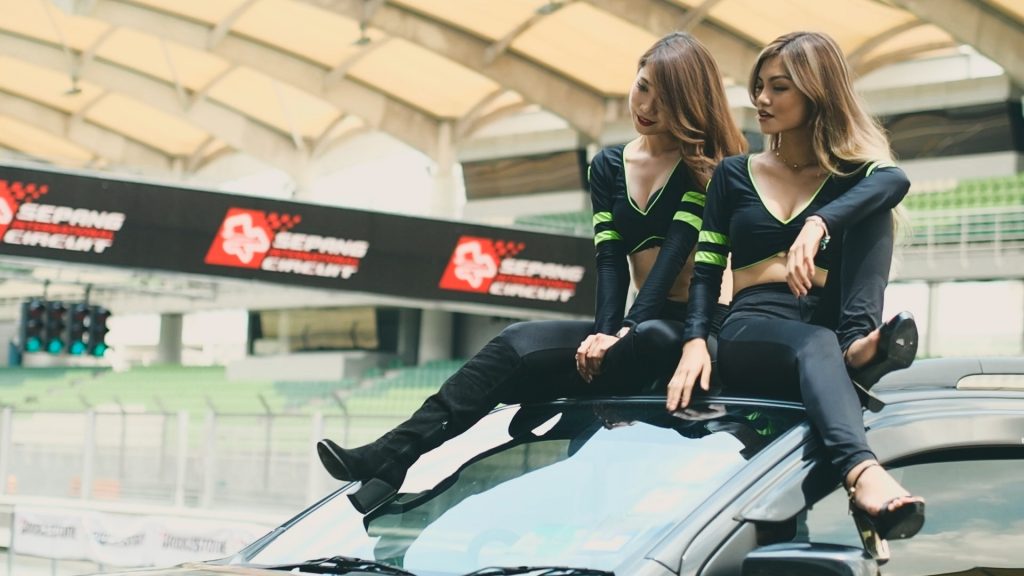
Then I tried the Helios.
It doesn’t work for you—you have to work with it.
It wants to flare, a lot.
It is also manual focus only, with no image stabilisation.
It’s like taming a wild horse.
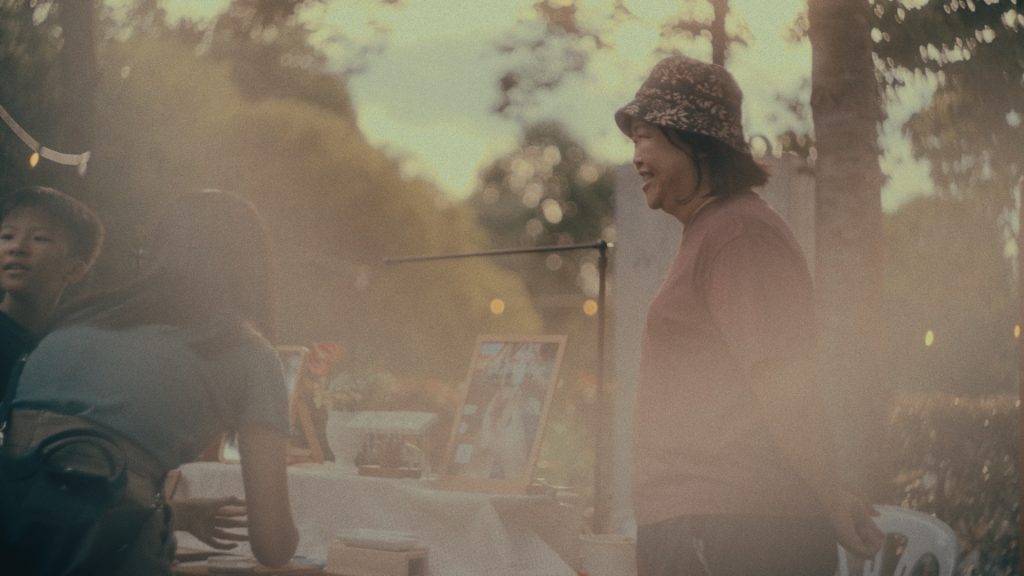
But if you’re willing to do that, the payoff is tenfold-both in the image and experience.
Something you can’t really get with modern lenses.
It’s still sharp, but in a way that feels more natural.
The texture, the flares, the way the background falls off, it has a look that just feels organic.
It’s not perfect.
But that’s exactly what I started to love about it.

I stopped trying to make everything flawless. And I started enjoying the process again.
If you’re just not feeling excited to shoot anymore, this lens might bring some of that spark back.
It’s fun to use. It keeps you present.
And when you’re enjoying the work again, you usually end up creating better stuff too.
This is probably not your first Helios-44-2 post.
Other videos seem to worship a certain version over the other, making a purchase decision unneccessarily complicated.
After servicing over 100 pieces of vintage soviet lenses, i share my honest opinion on choosing the right version of helios-44-2.
Leave a Reply