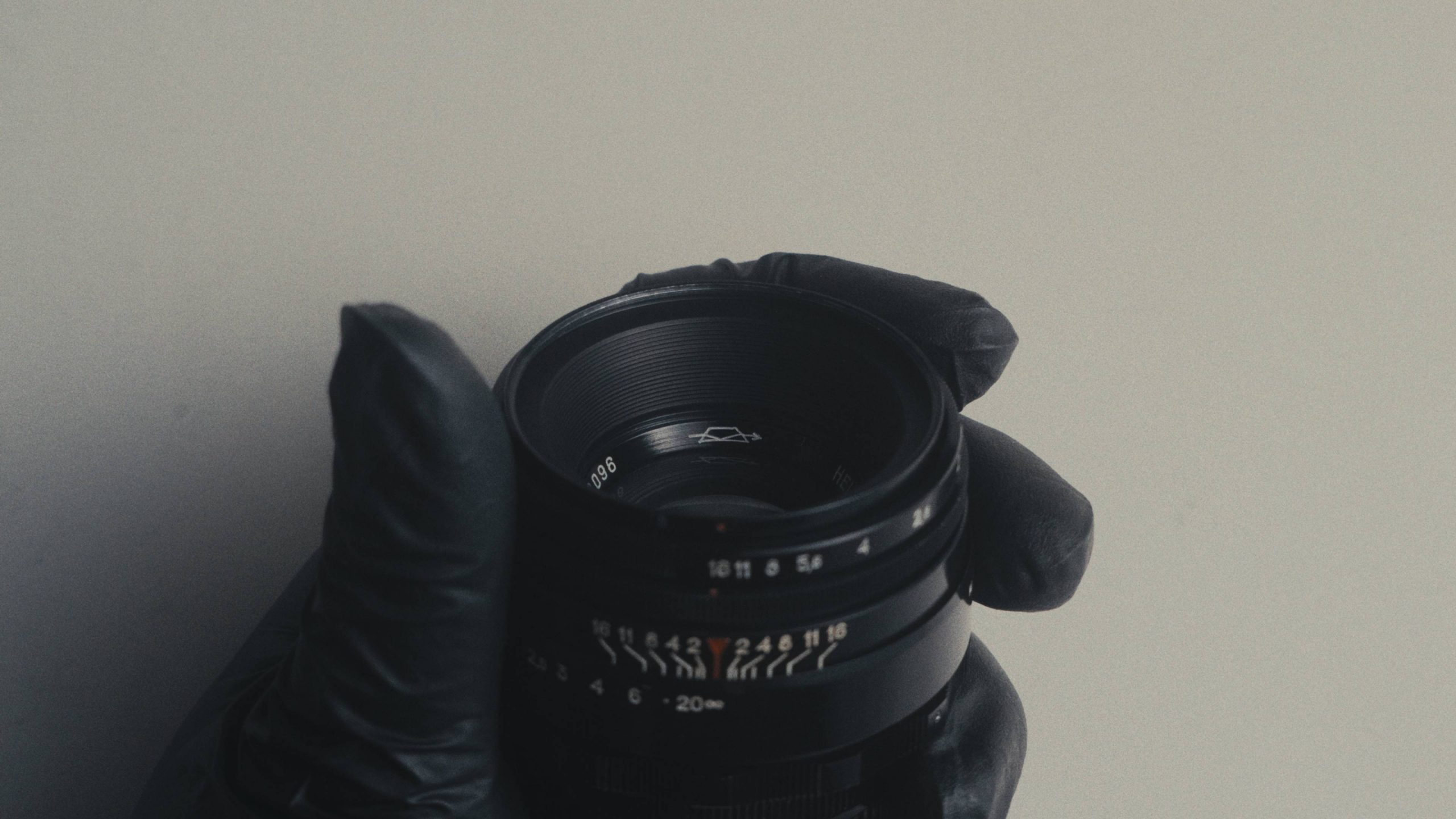
I tested the serial ’00’ KMZ Helios 44-2 58mm f2 lens in my previous video.
But there were three things I didn’t include — and they change the story.
In this video, I open up the lens and show you two issues that shouldn’t exist in a lens with this reputation, and a scanned Foto-quelle catalog from the 1970s that raises an uncomfortable question about the entire serial ’00’ claim.
If you’ve ever wondered whether the serial ’00’ Helios 58mm f2 is actually worth hunting for, click here.
transcript
I tested the serial ’00’ KMZ Helios 44-2,
the one that was supposedly reserved for Communist Party leaders
with stricter quality control than any other copy.
And I found three things that I didn’t include in my previous video.
So, in this video,
I’m going to show you two issues that doesn’t belong in this lens
and a West German mail order catalog that might collapse the entire serial ’00’ story.
When I opened the serial ’00’ lens previously,
I found something interesting that has to do with the quality control claim.
Now, to be clear,
this wasn’t about sharper lens or better coatings.
I’ve tested the lens in the previous video side by side with another KMZ Helios 44-2.
But the serial ’00’ was never just about optics.
The reason collectors and filmmakers often look for it specifically
because many believe it was made to a higher standard.
Many say it has better build quality.
So when I take a look inside,
I noticed something near the grub screw slots.
These are loose metal shavings found around the slots
and spread across other aperture ring components.
From what I can tell,
the grub screw slots were drilled after the lens was already assembled,
which means whatever came off the drill stayed inside.
If this were any other Helios 44-2,
I probably wouldn’t have given it much thought.
I’ve opened enough Helios 44-2 lenses to know that this isn’t unusual.
I see the same thing across different factory logo and production year.
But this is the serial ’00’.
And the one thing that was supposed to make it different was
better build quality with stricter quality control.
But it looks exactly the same as others.
But the metal shavings weren’t the only thing I found.
When I took a closer look at this aperture ring,
I immediately noticed that the ring doesn’t sit straight.
When I first saw this,
my initial thought was that the grub screws were loose.
The ring had simply moved out of place and tightening them would sort it out.
But when I was reassembling the lens,
I realized that wasn’t the issue.
The slots themselves were drilled at that angle,
which means the lens was assembled this way and passed quality control.
Does it affect the image?
No.
Does it affect how the aperture ring operates?
Not really.
But a crooked aperture ring is the kind of thing that gets caught in quality control.
It’s visible and it’s obvious.
If the lens had this logo,
then it would be immediately blamed for lower build quality
and poor Soviet quality control.
But this is the serial ’00’.
If this lens was made for Communist Party leaders and other VIPs,
it shouldn’t have made it past inspection,
but it did anyway.
And here’s where it gets very interesting.
Because a comment behind a random username on the internet is one thing.
A physical evidence is another.
The entire premise of the serial ’00’ is based on one claim.
It claims that these lenses were made exclusively for communist party leaders and other VIPs.
Reserved, not available to the general public.
That’s what makes them worth hunting for according to the story.
So, I want to show you something I found in a scanned catalog from the 1970s.
Foto Quelle was a West German mail order company.
And in this catalog, there is a serial ’00’ KMZ Helios 44-2 attached to a Reveuflex E,
which is essentially an export version of the Zenit E camera
sold openly to the West German consumer market.
Now, I’m not a Soviet historian.
In fact, history is my weakest subject in school.
But if the serial ’00’ was genuinely reserved for communist party leaders and KMZ was shipping them to West Germany in a consumer catalog,
then somebody in Krasnagorsk had a lot of explaining to do.
All of my findings I’ve showed in this video,
the hidden metal shavings,
the crooked aperture ring,
the West German catalog,
none of it tells you how the serial ’00’ actually performs.
So, I tested it side by side with a common KMZ Helios 44-2.
If you are wondering whether serial ’00’ is actually better,
you’ll want to see what I found.
Leave a Reply