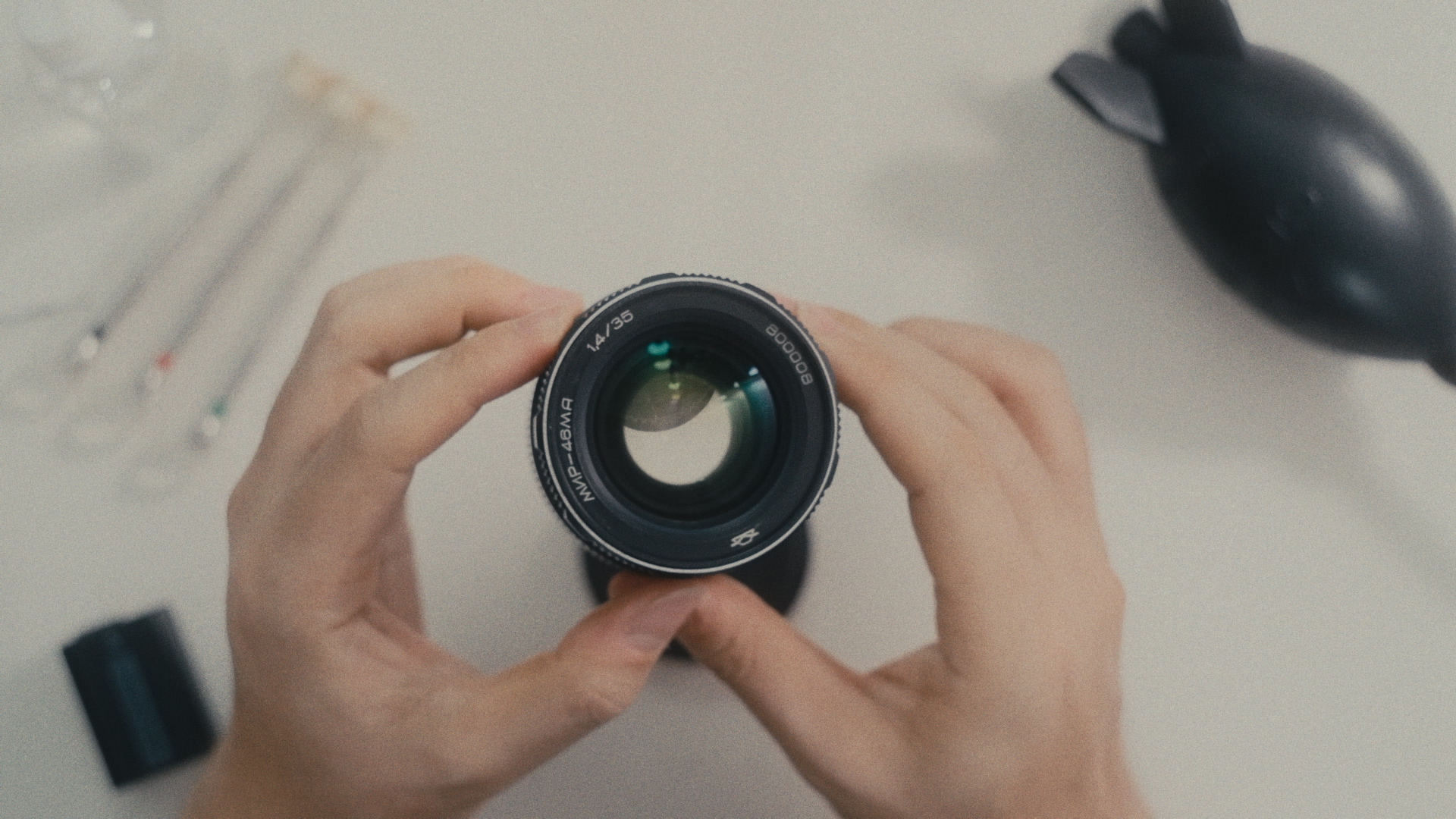
If you’ve watched this channel for a while, you know that I work with vintage Soviet lenses. One of them is the Helios 44-2, loved by cinematographers and hated by lens critics. There is abundance of them, people treat them as disposable weekend toy. If there’s something wrong with the lens, they would rather spend the money to buy another one rather than servicing it.
But this lens is different.
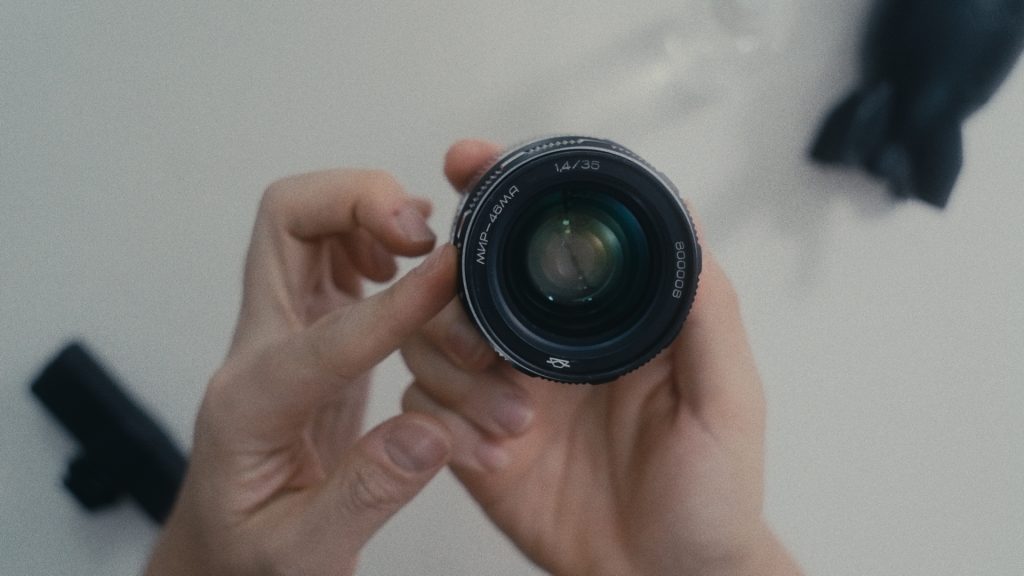
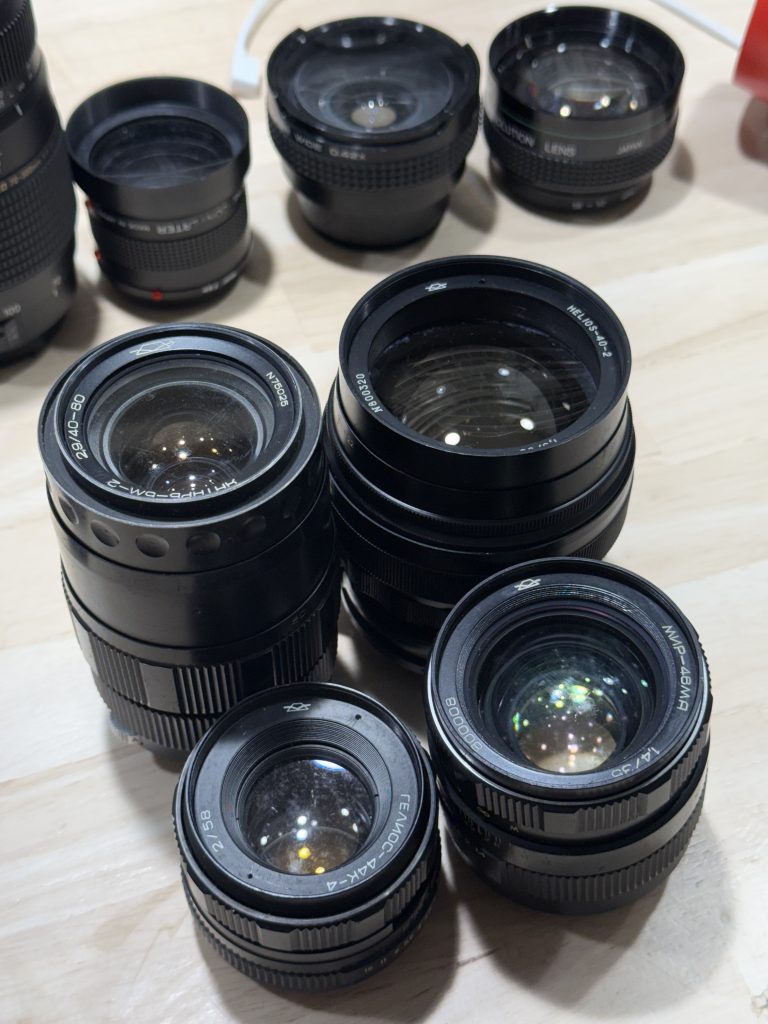
This is the Mir-46MA. In an era where the only other players in the fast 35mm game were Nikon, Contax Zeiss, and Leica R. A vintage Soviet prototype lens. Not a special double zero serial number reserved for government officials. But a proper prototype lens that was never mass produced.
Here’s how I feel about lens servicing. More specifically, servicing other people’s lens.
It’s like shooting weddings. I don’t like carrying the burden of being responsible for someone else’s once in a lifetime moment. I’ve only shot about 5 weddings in my entire career as a professional photographer.
I don’t know what kind of person Jorinn was; I don’t know if he’s the kind of person that examines the lens with a microscope, looking at the lens for any imperfections.
I don’t want to sound pessimistic but I have dealt with people like “wanting the lens to be dust free because it was serviced” or “asking me why their lens had an extra line” or something like that.
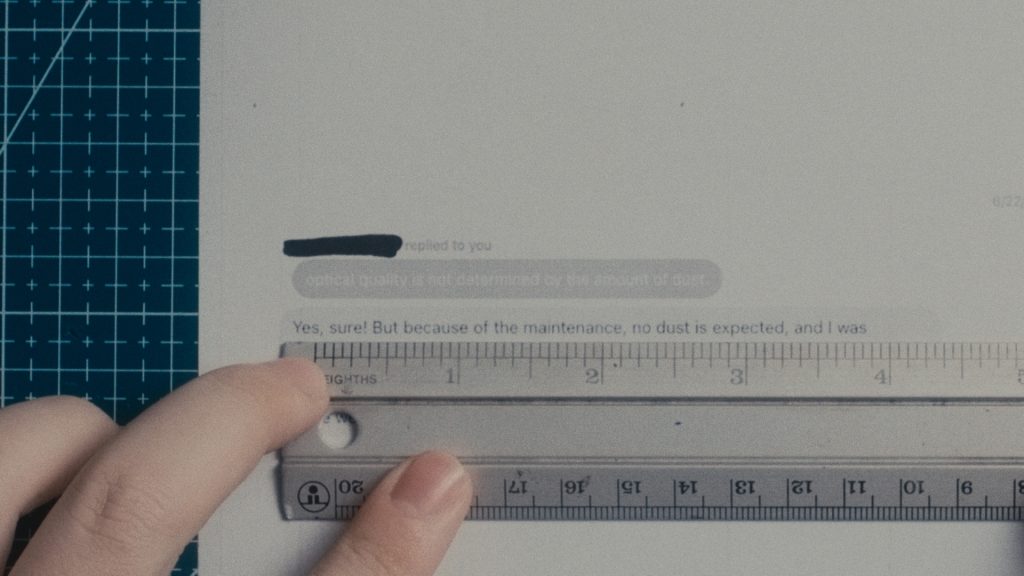
Turns out Jorinn was an extremely nice guy. Very chill. He understands the whole restoration process and in his own words, “doesn’t expect it to be a museum piece”. Which is extremely relieving because we are on the same page. We speak the same language. A lens is not a museum piece.
But I still have to deal with the rarity of the lens. I’ve serviced hundreds of Helios 44-2 and other Soviet lenses. I know these lenses inside out. I serviced my first Helios lens after watching a few YouTube videos.
But this lens is on another level.
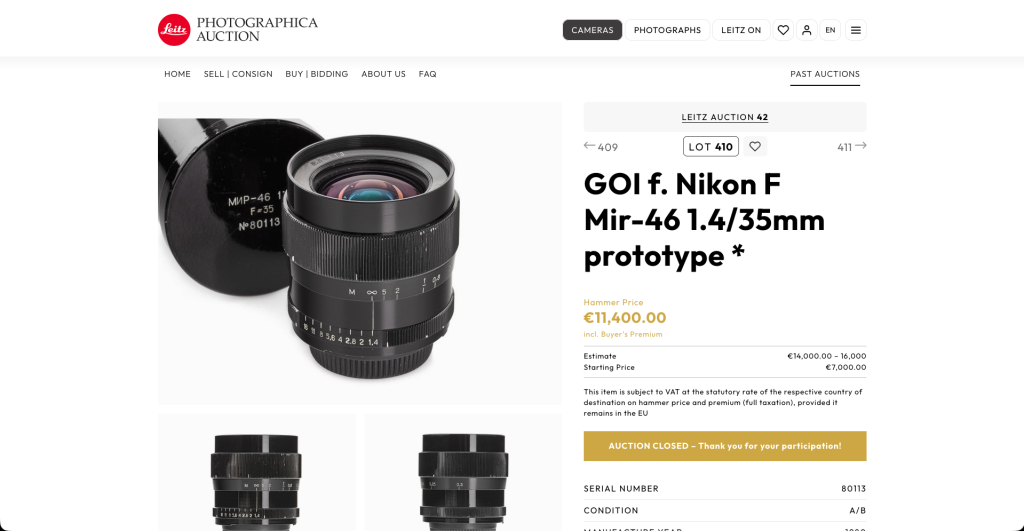
I can’t find any YouTube video or blogs on this lens. Ebay listing came out empty. The only two website I found told me that another lens was auctioned for more than a used Arri Alexa classic. The other website in Russian was saying, this prototype lens was only made in dozens.
So I was looking at a lens that had literally no information and no replacement. It was a rare lens in every sense of it. But that was not the only concern.
Jorinn showed me a picture of the lens. It was heavily covered with fungus. And it looks like it has been left to die for many years. So one of three scenario can happen:
- I remove the fungus and we can pop the champagne to celebrate
- I clean the fungus but left etching marks on the lens
- I couldn’t remove the fungus at all
I took the chance. The once in a life time opportunity to witness history and be part of it.
We exchanged a couple of e-mails, mainly to set expectations, you know since we are dealing with a piece of relic. And that moment of truth landed in front of my face.
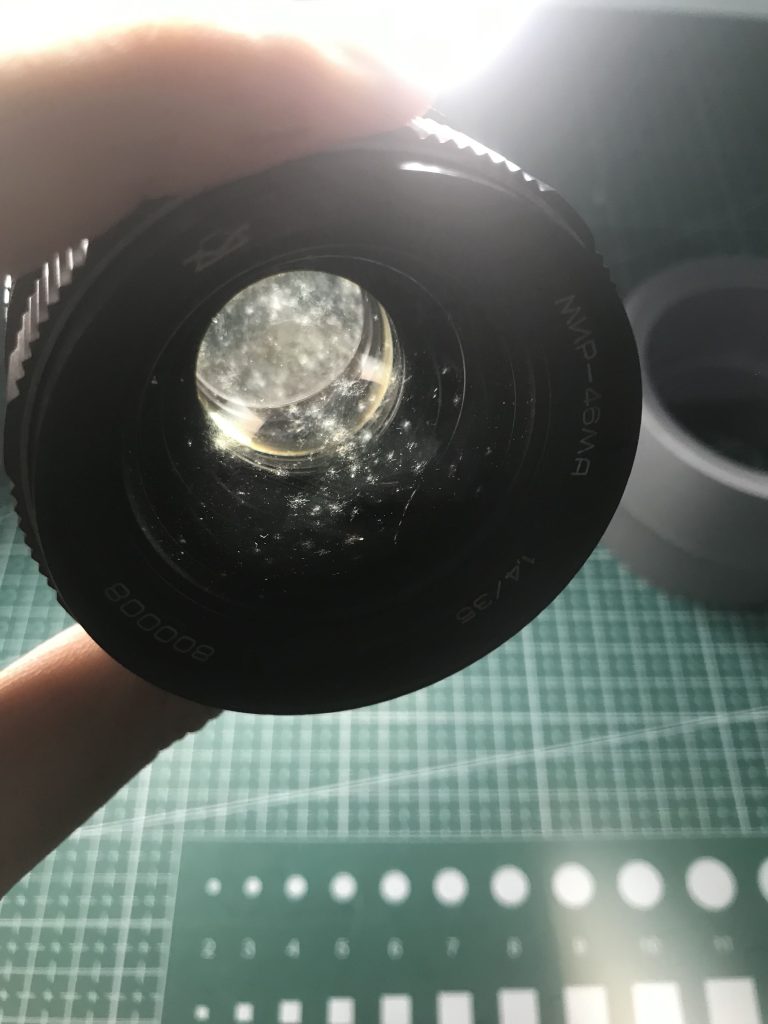
The fungus looked bad, really bad, and it looked like it has been there for a while. I need to be careful with the solution I use.
My experience with lens coating on vintage lenses is that it isn’t as strong as modern lens coatings. Add the age factor and lens condition to the equation and the risk goes higher. I once used a 3% hydrogen peroxide on a Jupiter-9 and the lens coating gave up just like that. I couldn’t afford to turn a historical moment into a paper weight.
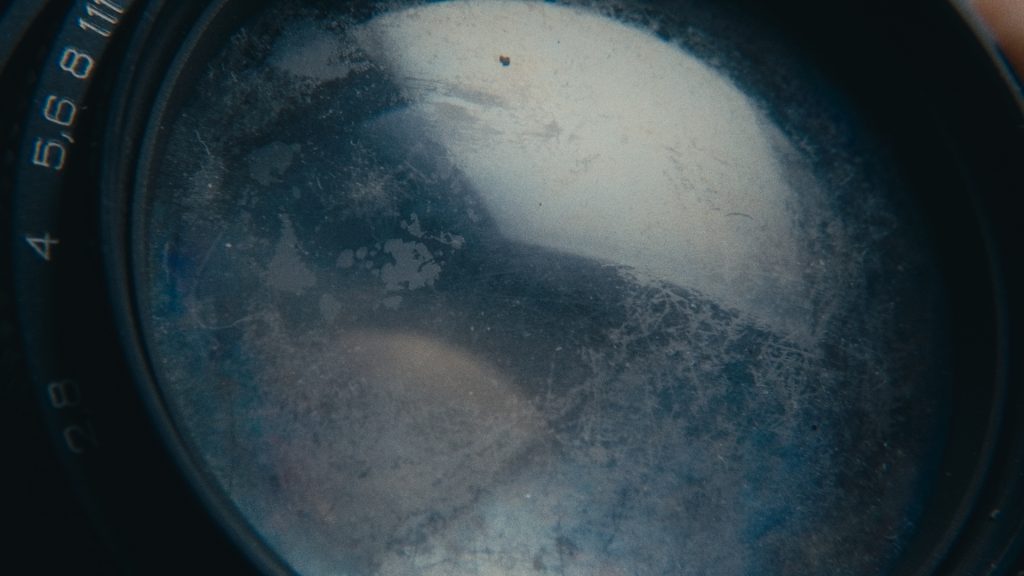
I mixed a 50% alcohol solution, and tested a small spot on the rear lens element. This rear element had the most fungus. If it didn’t work here, then there is no point doing anything else.
I swiped the lens carefully, and looked under a light. The fungus has been removed completely, and the lens coating is still intact.
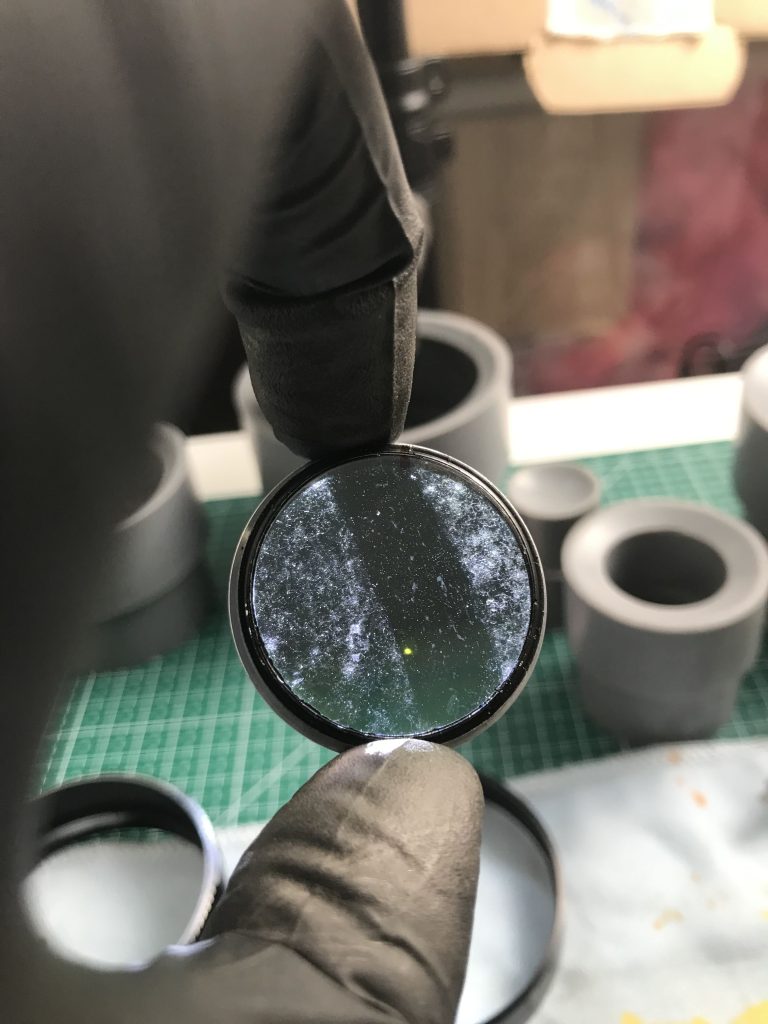
When I showed Jorinn the result, he was thrilled. I was thrilled. Although the fungus had already made its mark on the lens element, I was able to save a piece of Soviet history from the landfill.
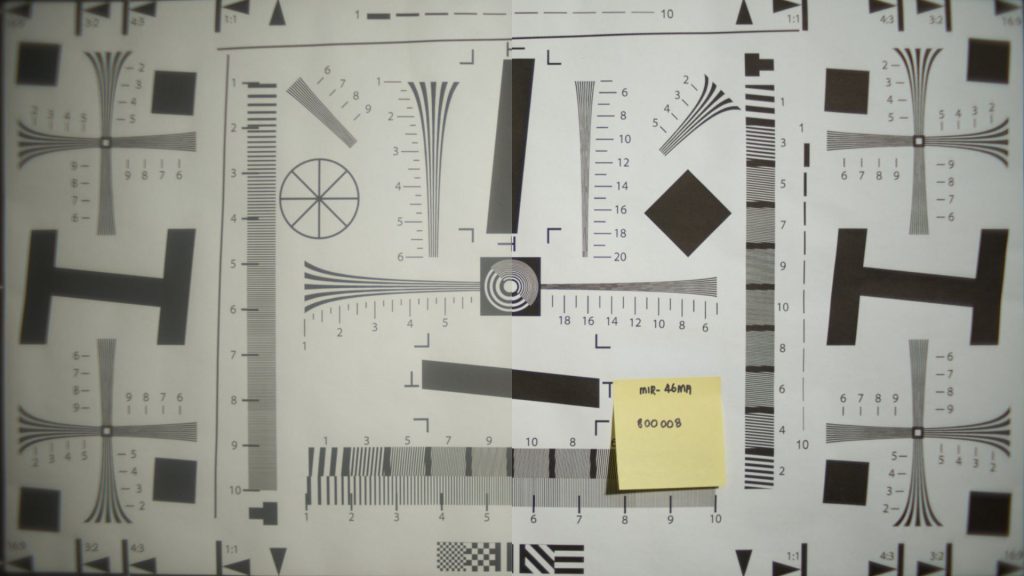
It’s hard to believe that anyone would treat a prototype lens like that. Leaving it to rot. But I’ve also come to this realisation. Whether it’s left to grow fungus, get fixed up on someone’s workbench, or listed for sale tomorrow, none of that has ever had anything to do with what it’s actually worth. It just depends on who happens to have it.
Most of the time, servicing a vintage lens costs more than the lens itself.
I think it’s worth doing.
Leave a Reply