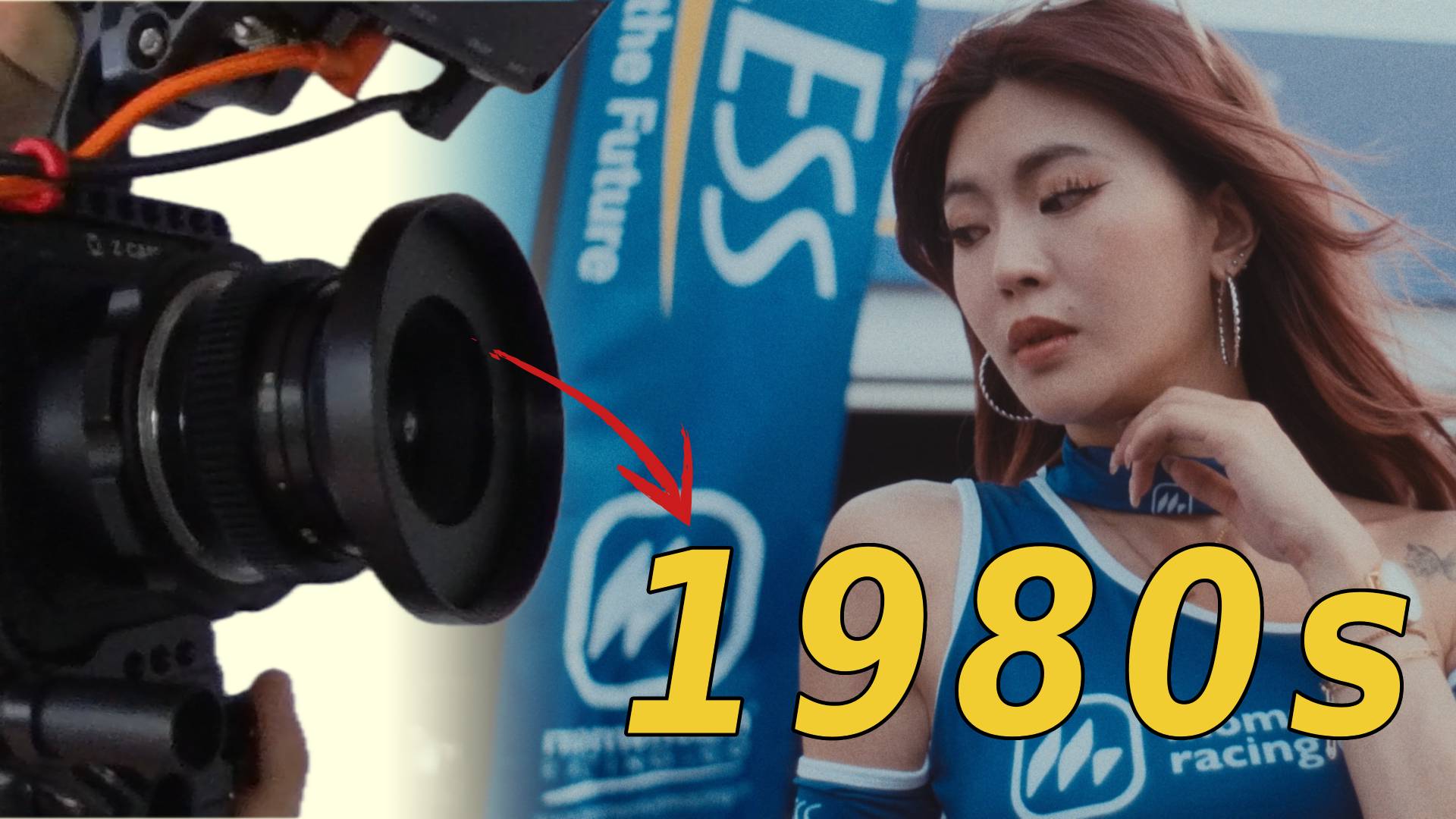
On a rare occasion that I scroll through a social media feed, every post look about the same. Whether it’s shot on iPhone, shot on the newest camera and the most expensive lens money can buy, or even AI generated content. I felt like they all have that same sharp clean look and it looks nothing like the movies I grew up watching.
Then I watched Lioness Season 2. It felt different. It’s not what Facebook groups or Youtube reviews would recommend. It’s not what lens manufacturers would advertise on their marketing campaign.
It’s as if the the DP didn’t get the memo. I get that DP sometimes include a few interesting flare shots every once in a while. But in this show, it’s shot after shot of flares, and then ends the episode with this shot. I mean, that kind of flares and flat contrast? I need to find out what lens did that.
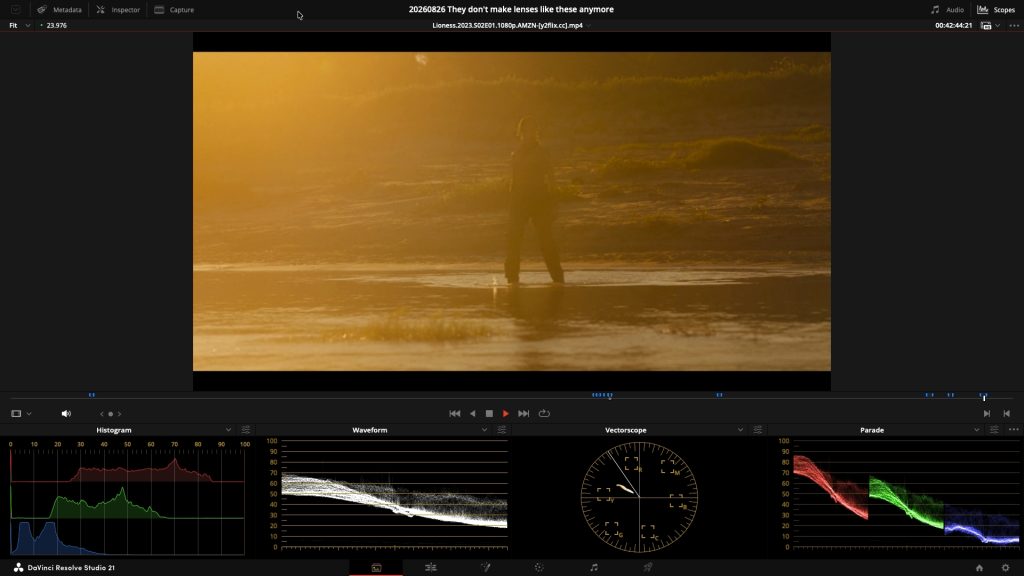
So I dived right into the Internet rabbit hole. I needed to know who shot this and what they used. Because whatever they were using, I am pretty sure that it wasn’t some state of the art lens formula or new and improved lens coatings.
There is not much information about this but I manage to find out the DP was Stuart Campbell. Shooting a TV show with that kind of budget, I’d expect something fancy like the Arri Signature Prime. Instead it was a long zoom lens from Panavision made some 35 years ago.
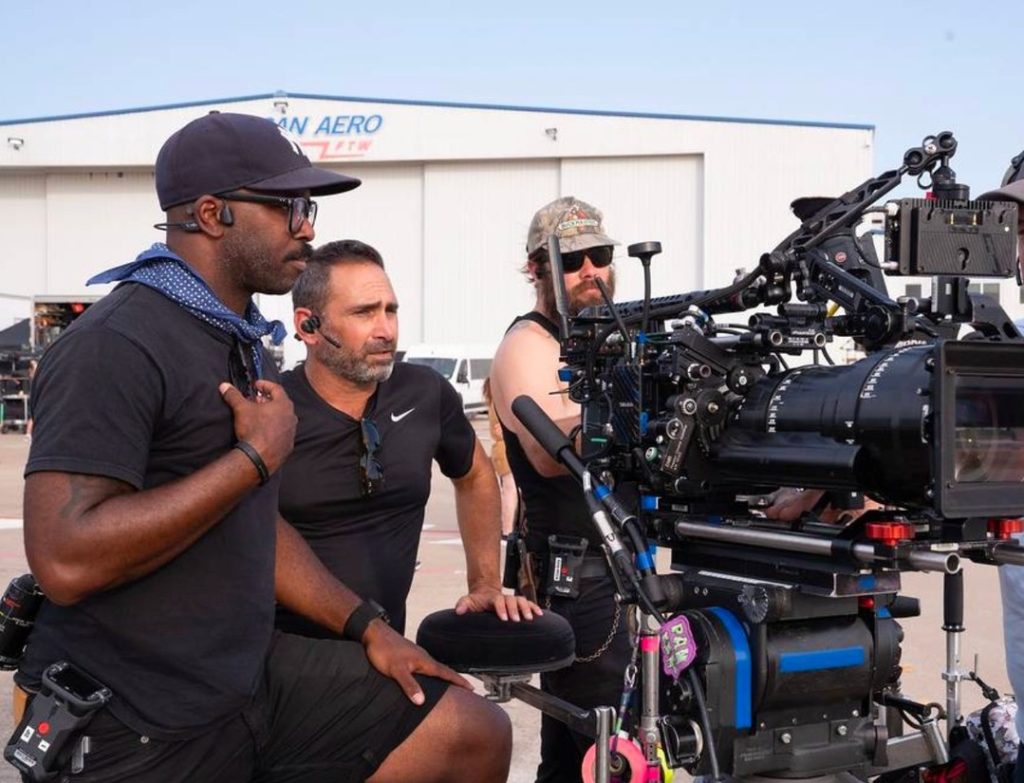
I wouldn’t imagine myself shooting on Panavision lenses. For someone like me at this level, at best I’m shooting some fashion film and Youtube videos, which for the available budget I’m working on, Panavision lenses are way up there. Of course I am not discounting the number of budget cinema lenses available in the market. But for me, they look a bit generic and kind of bland.
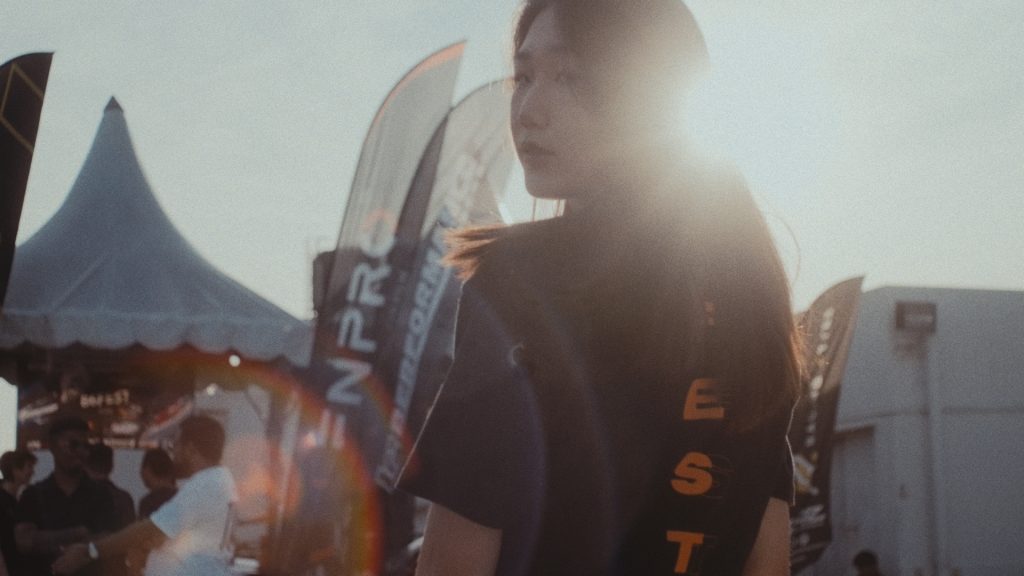
Back in 2020, I accidentally found a lens that can give me the same look as these Panavision lenses, and at the same time, something that can be bought by someone like me.
The funny thing is hobbyist and amateur photographers always disregard them as unsharp, soft corners, prone to flares, etc. But when I look at the image, it reminded me of the medium format film that I shot with Mamiya RB 67. I like the gentle skin tones, the soft corners and the pleasant surprise whenever I shoot backlit.
But they were not built for cinema. In fact, these are still photography lenses for film cameras. These lenses are so old, they were made in a country that no longer exists: the Soviet Union.
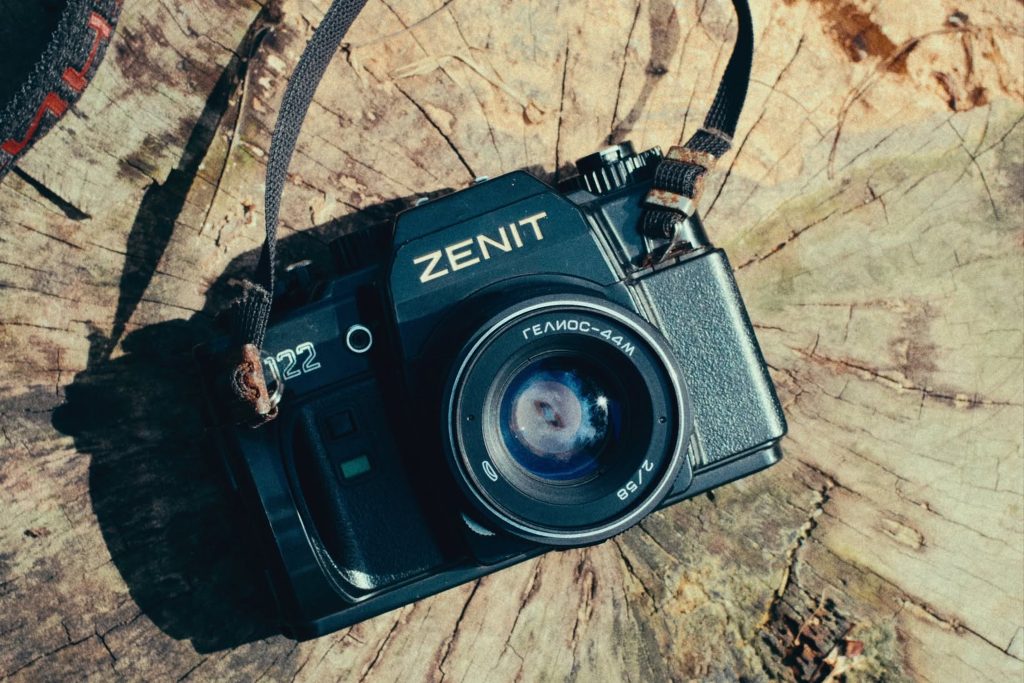
But using these 50 year old lenses isn’t as easy as unbox, mount, and shoot. There are 2 major issues that needs to be taken care of.
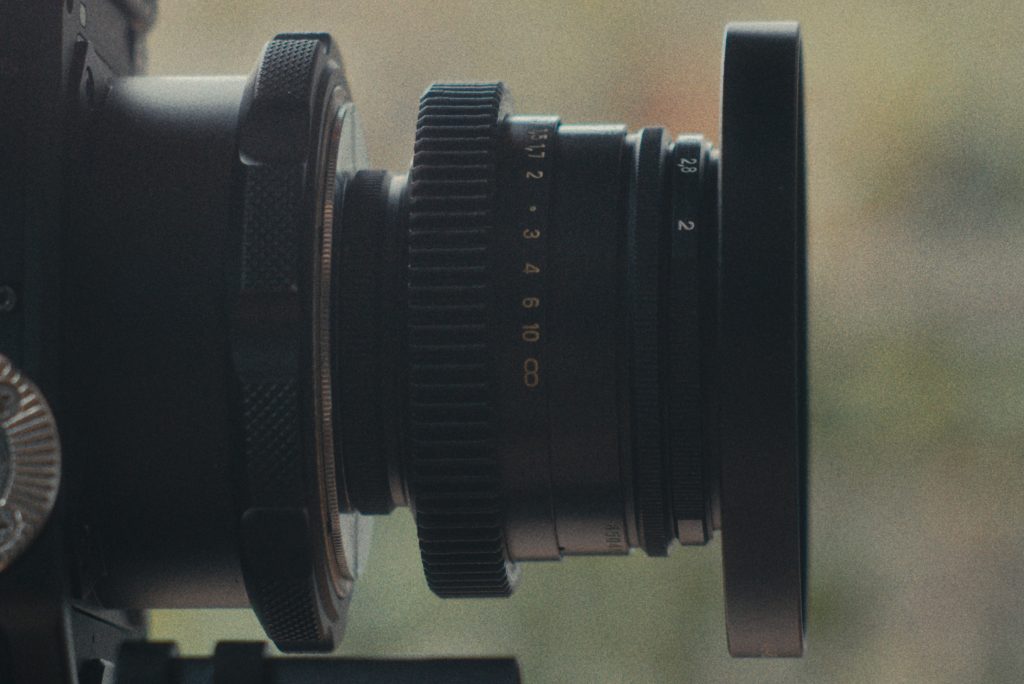
First obvious issue is the lack of follow focus gears and a uniform front diameter found in cinema lenses. You’d think these are easy to settle with off the shelf solution and that’s the first thing I tried. Not only it was unreliable, but these will slip off the lens easily after handling it for a few times. It’s not something I’d use professionally so I seeked help to design a custom follow focus gear that fits perfectly. I’ve tested this with regular use and I’m still using it till today.
The second non obvious problem that doesn’t get talk about is that these lenses are often brand new, fresh off the factory assembly line, 50 years ago. When I receive these lenses, they either have stiff focus ring or hazy lens elements, or both. I wouldn’t use them for any kind of work. In fact, the second the Helios lens that I bought came with a focus ring so stiff that I couldn’t possibly use it for anything meaningful.
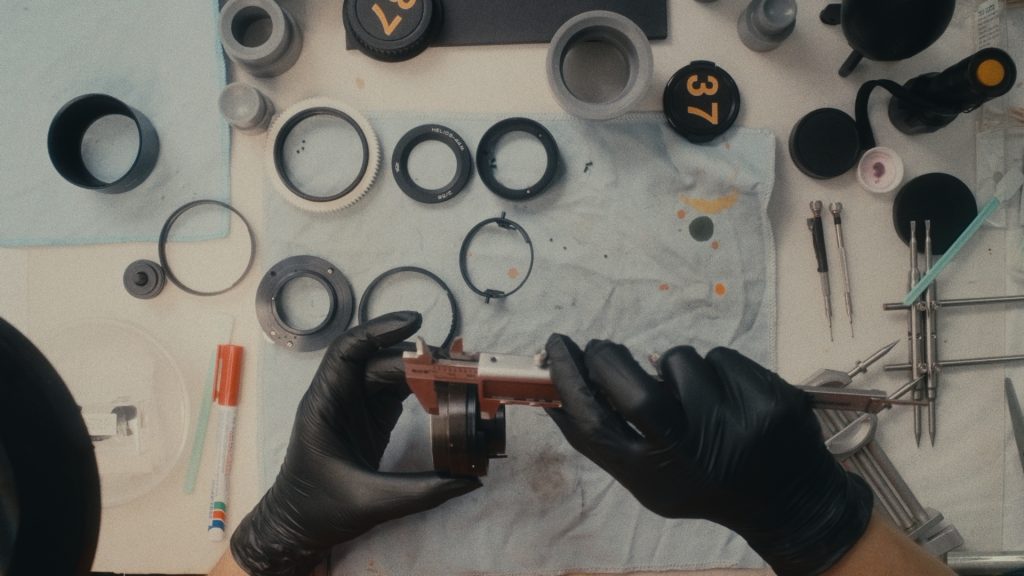
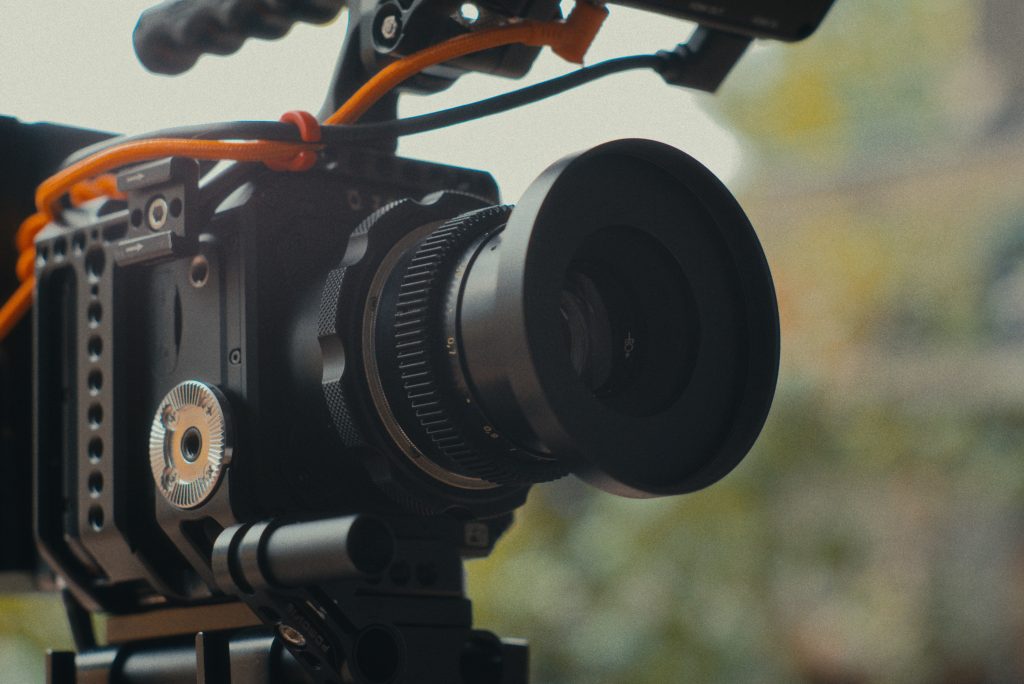
I wanted DPs, cinematographers and video creators alike to experience these beautiful Soviet lenses, not as a weekend toy to shoot flowers, but as a reliable tool that I myself have the confidence to use on set. That is why I choose to completely rebuild them, fit them with custom follow focus gears, standard front rings and a suitable adapter. So that you can unbox, mount and shoot straight away.
You can find what I do with vintage Soviet lenses over here.
I don’t think sharp lenses are bad. I built my photography career with flagship Canon L lenses for over 13 years. When I moved on to shooting video, I quickly realise that the best lens in the market couldn’t give me the film look I experienced with the Mamiya RB 67.
If you want to find out what I mean, I talk about my experience in this post.
I use film emulation plugin that helps me achieve the authentic film look:
https://www.dehancer.com/
use code ‘DF10’ for 10% off
Leave a Reply